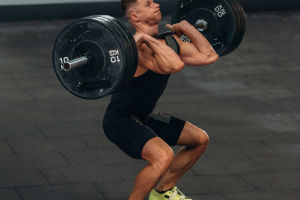
If you have ever experienced the satisfying feeling after completing a challenging lift, you also understand the importance of protecting your body while building strength.
Strength training offers many physical and mental benefits, but long-term success depends on training safely and consistently. By following proven techniques, progressing gradually, and prioritizing recovery, you can reduce the risk of injury while continuing to improve your performance.
Master Your Form First
Before increasing the weight, focus on mastering proper lifting technique. Many injuries result from poor movement patterns and incorrect body alignment rather than the amount of weight being lifted. Take time to learn the correct technique for exercises such as squats, deadlifts, and presses. Recording your lifts or seeking guidance from a qualified fitness professional can help identify areas for improvement. A strong technical foundation promotes safer, more effective training.
Warm Up and Improve Mobility
Starting heavy lifts without preparing your body increases the risk of strain. Begin each workout with five to ten minutes of light cardiovascular activity followed by dynamic movements that mimic the exercises you plan to perform. Hip circles, arm swings, and leg swings help increase blood flow, improve mobility, and activate key muscle groups. A proper warm-up prepares your body for exercise and supports better performance.
Progress Gradually
One of the most common training mistakes is increasing weight too quickly. Follow a structured training plan and add resistance only when you can complete every repetition with proper form and control. Gradual progression allows your muscles, tendons, and connective tissues to adapt safely while supporting steady, long-term strength gains.
Schedule Recovery Weeks
Recovery is an essential part of effective strength training. Periodically reducing your training volume or intensity through a planned recovery week allows your muscles and joints to recover from accumulated fatigue. Including regular recovery periods helps maintain consistent performance and supports long-term progress.
Support Recovery with Nutrition and Hydration
Proper nutrition provides your body with the resources it needs to recover after training. Consume sufficient protein to support muscle repair and include healthy fats as part of a balanced diet. Staying well hydrated throughout the day supports normal muscle function and overall physical performance. Nutrient-rich foods, including flaxseed, walnuts, and chia seeds, can contribute to a balanced eating pattern.
Listen to Your Body
Learning to recognize your body's signals is an important part of injury prevention. Mild muscle soreness after exercise is common, but sharp or unusual pain should never be ignored. If discomfort develops during training, reduce the intensity and allow adequate recovery. Persistent or severe pain should be assessed by a qualified healthcare professional before returning to regular exercise.
Use Appropriate Equipment
Supportive training equipment can improve stability and comfort when used correctly. Shoes with flat, stable soles provide a solid foundation for many strength exercises. Equipment such as lifting belts, wrist wraps, and knee sleeves may provide additional support during specific movements when appropriate. However, proper technique should always remain the foundation of safe lifting.
Prioritize Rest and Recovery
Training adaptations occur during recovery, not just during workouts. Getting enough quality sleep, scheduling regular rest days, and managing overall training volume allow muscles, tendons, and connective tissues to recover effectively. Consistent recovery habits help improve performance while reducing the likelihood of overuse injuries.
Building strength is a long-term journey that requires patience, consistency, and smart decision-making. Prioritizing proper technique, gradual progression, balanced nutrition, adequate recovery, and appropriate equipment creates a strong foundation for safe and effective training. By respecting your body's limits and maintaining good training habits, you can continue making progress while reducing the risk of injury and supporting long-term health and performance.