Ever wonder why some outfits make you feel confident and powerful while others just fall flat?
It's not magic—it's the power of color. Whether you're getting dressed for an important meeting or a weekend brunch, the colors you choose have a massive impact on your overall look and how you feel.
Color in fashion is more than just about looking good; it can influence your mood, create impressions, and even highlight your personality.
Why Color Matters in Fashion
Color is one of the most powerful tools in a woman's wardrobe. It can transform any outfit, change how you're perceived, and make you feel a certain way. When you wear colors that complement your complexion and style, you naturally feel more confident. But it's not just about looking good; color also plays a huge role in how others perceive you.
First Impressions Matter
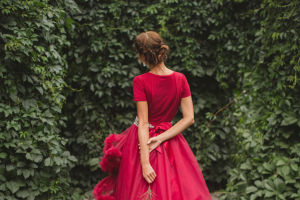
Have you ever noticed that when you wear a bold color, like red or yellow, people seem to notice you more? That's because bright, vibrant colors tend to grab attention and make a statement. On the other hand, softer tones, like pastels or neutrals, create a more subdued and calm impression. So, the color you choose can help you project the image you want—whether you're aiming for power, warmth, or approachability.
Mood Boosting Effects
The colors you wear can also impact how you feel. If you need a pick-me-up, try wearing a vibrant yellow or orange—these colors are known to evoke happiness and energy. For a more relaxed vibe, blue and green tones can help you feel calm and peaceful. Your wardrobe is like your own personal mood ring, offering a chance to reflect your inner feelings or shift your state of mind.
Understanding Your Skin Tone and Color Choices
One of the first steps in mastering color in fashion is understanding what works best with your skin tone. Not all colors are flattering on every person, but once you know your undertones, it becomes easier to choose shades that enhance your natural beauty.
Warm Skin Tones
If you have a warm skin tone, you'll likely notice a yellow or golden undertone to your complexion. For you, colors like earthy browns, deep oranges, olive greens, and warm reds look fantastic. These shades bring out the warmth in your skin, creating a harmonious look.
Cool Skin Tones
Cool skin tones often have pink, blue, or purple undertones. If you have this tone, cool colors like blues, purples, and emerald greens work wonders. Steer clear of yellow and orange tones, as they can clash with your complexion.
Neutral Skin Tones
If you're lucky enough to have a neutral skin tone, you can pull off both warm and cool colors. Neutral colors like beige, white, and navy are flattering, and you can experiment with different hues to find what suits your mood or occasion best.
Building a Color Palette for Your Wardrobe
Building a wardrobe around the right colors doesn't mean you have to fill your closet with every shade imaginable. The key is to focus on a few core colors that work well for you and then mix in accents to keep things fresh.
1. Start with Basics
Choose neutral colors like black, white, gray, and navy. These can serve as the foundation of your wardrobe, as they're versatile and timeless. A well-tailored black blazer or a classic white shirt never goes out of style and can be paired with almost anything.
2. Add Accent Colors
Once you've established your basics, add in a few accent colors that complement your skin tone and personal style. These can be bolder, more expressive colors like red, teal, or mustard. Accessories are a great way to incorporate these colors without going overboard—think scarves, jewelry, or shoes.
3. Experiment with Patterns
Don't forget that patterns can also add color to your wardrobe. Stripes, florals, or geometric prints bring in multiple shades and can help you play around with color combinations. If you're not sure how to mix patterns, try pairing a bold print with a neutral piece to balance the look.
Using Color to Enhance Your Figure
Color can also work wonders when it comes to shaping your figure. By using colors strategically, you can highlight certain areas or downplay others.
1. Dark Colors for Slimming
Dark colors like black, navy, and charcoal have a slimming effect. If you want to make your waist appear smaller or create a more defined silhouette, try wearing darker shades on those areas. For example, a dark-colored top paired with lighter pants can draw attention to your upper body while elongating your legs.
2. Light Colors to Draw Attention
On the flip side, light colors can bring attention to certain areas of your body. If you want to emphasize your bust or hips, opt for a pastel or light-colored top. It can add volume and create the illusion of curves.
3. Monochrome Looks for a Streamlined Effect
Wearing one color from head to toe creates a streamlined look. This monochromatic style elongates the body and makes you appear taller and leaner. It's a simple trick that can make any outfit feel more polished.
Embrace Color to Express Yourself
Color is one of the most powerful tools you have when it comes to fashion. It can make a statement, boost your mood, and even influence how others perceive you. By understanding what colors work best for your skin tone, building a versatile color palette, and using color to enhance your figure, you can create a wardrobe that makes you feel confident, stylish, and uniquely you. So, next time you're standing in front of your closet, think about the color you're reaching for—because it's not just an outfit, it's a way to express yourself.