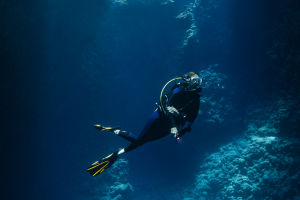
The ocean's depths hold a world of vibrant colors, curious creatures, and dramatic landscapes waiting to be captured.
Yet photographing underwater presents unique challenges. Water absorbs light and distorts colors, while movement and visibility vary constantly.
Mastering underwater photography requires understanding equipment, lighting, and composition to transform fleeting moments into striking images.
Choosing the Right Equipment
Selecting proper gear is the first step toward successful underwater photography. Cameras designed for underwater use, whether compact models or DSLRs in waterproof housings, are essential. Consider lens options: wide-angle lenses excel at capturing expansive scenes and coral reefs, while macro lenses highlight intricate details like fish scales or delicate anemones.
Accessories such as underwater strobes or LED lights help compensate for low light and restore color. Stabilizing equipment like handles or tray systems reduces camera shake caused by currents or buoyancy.
Mastering Light and Color
Water filters light and reduces brightness rapidly with depth. Red wavelengths disappear first, making scenes appear predominantly blue or green. Using artificial lighting or adjusting white balance settings can restore natural colors.
Positioning Lights
Place strobes at an angle to the subject to prevent backscatter, which occurs when particles reflect light into the lens.
Using Ambient Light
Shoot with the sun behind you during shallow dives for softer, more even illumination.
Depth Awareness
Adjust exposure and ISO depending on how deep you dive, balancing clarity with minimal noise.
Composition and Perspective
Good composition elevates underwater photography beyond technical skill. Consider foreground elements like coral or rocks to create depth. Experiment with angles—shooting slightly upward can emphasize the sense of scale and light streaming from the surface.
Rule of Thirds
Place the main subject off-center to create balanced and visually appealing shots.
Focus on Subjects
Capture movement, expressions, or behaviors of marine life to convey life and energy.
<bBackground Selection
Avoid cluttered backgrounds that distract from the subject, seeking open water or contrasting colors instead.
Practicing Patience and Safety
Underwater photography demands patience. Subjects can move unpredictably, and currents or visibility changes may affect timing. Plan dives with safety in mind: always monitor air supply, stay close to dive partners, and respect marine life by maintaining distance.
Practice hovering techniques and smooth movements to minimize disturbance and reduce blurring in images.
Final Thoughts
Capturing the underwater world transforms a dive into a creative exploration. With the right equipment, mastery of light, and thoughtful composition, divers can record the ocean's vibrant scenes in breathtaking detail. Every dive presents an opportunity to refine skills and deepen appreciation for the fragile beauty beneath the waves.
Through photography, the fleeting moments of marine life become lasting stories that inspire both art and conservation.