Introducing children to skiing is both exciting and challenging.
Ensuring safety while fostering confidence requires careful planning, the right equipment, and age-appropriate instruction.
Whether your child is trying skiing for the first time or progressing to advanced slopes, understanding essential safety and teaching strategies is key to creating a positive skiing experience.
Choosing the Right Equipment
Properly Fitted Skis and Boots
Children's skis should be shorter than their height for easier control, and boots must fit snugly but comfortably. Ill-fitting boots or skis can lead to poor balance and increased risk of injury.
Helmets and Protective Gear
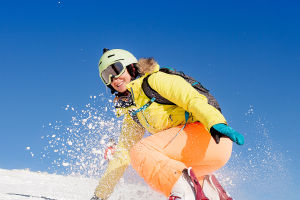
A certified helmet is mandatory for children, and optional gear like wrist guards and padded shorts can help prevent common injuries. Brightly colored clothing improves visibility on busy slopes.
Layered Clothing
Skiing in winter conditions requires warmth without bulk. Moisture-wicking base layers, insulating mid-layers, and waterproof outer layers keep kids warm and dry while allowing free movement.
Instruction and Learning Approach
Professional Lessons
Enroll children in ski schools with certified instructors. Group lessons can be social and fun, while private sessions provide more personalized guidance.
Gradual Skill Progression
Start on gentle slopes or magic carpets. Focus on balance, stopping, and turning before attempting steeper or longer trails. Progression should match confidence and physical capability.
Encouragement and Positive Reinforcement
Celebrate small milestones, like successfully stopping or turning, to boost confidence. Avoid forcing children onto slopes beyond their comfort zone.
Safety on the Slopes
Choose Age-Appropriate Trails
Green and blue trails are suitable for beginners and intermediate young skiers. Avoid black diamonds or terrain parks until proper skills and maturity are achieved.
Monitor Fatigue
Tired children are more prone to accidents. Schedule regular breaks, provide snacks and water, and watch for signs of cold or exhaustion.
Teach Slope Etiquette
Explain basic rules such as giving way, stopping safely, and recognizing trail markers. Teaching respect for others on the slopes reduces collision risks.
Conclusion
Children's skiing combines adventure with learning, but safety must always come first. With the right equipment, professional instruction, gradual skill building, and attentive supervision, young skiers can enjoy the thrill of the slopes while staying protected.
Every lesson, every run, and every controlled tumble is an opportunity for growth, confidence, and unforgettable winter memories. The key is patience, encouragement, and consistency, turning skiing into a lifelong, joyful experience for children.