You set a plant near a hallway or a bathroom window that barely sees the sun, fully expecting it to struggle. Weeks pass, and it's still upright, green, and quietly growing.
That's not luck. Many indoor plants are built for low-light life, using clever biological tricks that let them survive where brighter plants fail.
Leaves designed to catch every ray
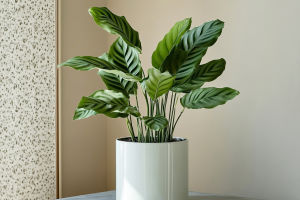
Shade-tolerant plants start their strategy with leaf design. Their leaves act like wide solar panels, capturing light that brighter plants would ignore.
1. Wider surface helps collect scattered light from lamps or indirect daylight.
2. Darker green color signals higher chlorophyll levels, which improves light absorption.
3. Thinner structure allows light to reach deeper layers of the leaf tissue.
A simple way to support this is placement. Rotate your plant a quarter turn every week so all leaves get equal exposure, even in dim rooms. This keeps growth balanced and prevents leaning.
Slower growth, smarter energy use
Low-light plants don't rush. They grow slowly on purpose, conserving energy rather than wasting it.
1. Reduced growth speed lowers energy demand.
2. Fewer new leaves means less water and nutrient loss.
3. Longer leaf lifespan allows each leaf to work longer.
An actionable tip here is patience. Don't push growth with extra fertilizer. Feed lightly and less often, allowing the plant's natural rhythm to stay intact.
Efficient photosynthesis in dim spaces
Shade-tolerant plants tweak how photosynthesis works. They're better at using small amounts of light efficiently.
1. Lower light threshold allows photosynthesis to start earlier in the day.
2. Improved light processing extracts more energy from each photon.
3. Minimal waste reduces energy loss during conversion.
To support this, keep leaves clean. Dust blocks weak light. Wipe leaves gently with a damp cloth once every two weeks to maintain efficiency.
Root systems adapted for stability
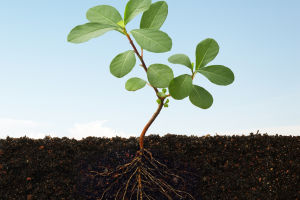
Low light often means slower water use. Roots adjust to match that pace.
1. Compact root growth prevents overextension.
2. Steady moisture uptake reduces stress.
3. Balanced nutrient use avoids excess buildup.
Watering habits matter here. Always check the top layer of soil before watering. If it still feels moist, wait. Overwatering is the most common mistake with shade-loving plants.
Flexible response to changing light
Shade-tolerant plants aren't locked into darkness. They adapt when light improves.
1. Leaf angle adjustment improves exposure.
2. Gradual growth increase prevents shock.
3. Controlled pigment changes protect against sudden brightness.
If you move a plant to a brighter room, do it in stages. Start with indirect light for a few days before increasing exposure. This prevents stress and leaf damage.
Why artificial light often works for them
Many indoor plants handle artificial lighting surprisingly well.
1. Consistent light source mimics steady shade conditions.
2. Low heat output avoids leaf stress.
3. Predictable schedule supports regular growth cycles.
An easy upgrade is placing a simple desk lamp nearby for 8–10 hours daily. Keep it at a safe distance to avoid overheating while boosting growth.
Low-light plants don't survive despite the shade—they're built for it. Once you understand their quiet efficiency, it becomes easier to match your care habits to their needs. The reward isn't dramatic growth, but steady presence. In rooms where light is limited, these plants prove that thriving doesn't always require brightness—just the right strategy.