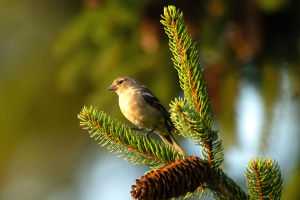
I still remember the first time I spotted a Red-backed shrike sitting quietly on a fence post.
It looked small and harmless, almost cute, with its warm brown back and that dark “bandit mask” across the eyes. But the longer I watched, the more I realized this bird wasn't just resting. It was scanning, measuring, and thinking ahead, like a tiny strategist in feathers.
How to Recognize a Red-backed Shrike
Distinctive look
This bird is about the size of a sparrow, but its coloring makes it easy to tell apart. Males usually have reddish-brown backs, gray heads, and that sharp black eye band. Females look softer, with browner tones and faint patterns on the belly.
Watch the posture
They often sit upright on exposed spots—fence posts, bushes, wires—almost like a lookout guard. If you see a small bird perched confidently in the open, it might just be a shrike.
Open landscapes
They prefer scrubland, hedges, farmland edges, and sunny, open areas where insects are easy to spot.
Actionable tip: bring binoculars when you walk through countryside paths. Stop every few minutes and scan fence lines. The Red-backed shrike isn't loud or flashy, so stillness helps you notice it.
Why It's Known as a “Perch Hunter”
Strategic behavior
Instead of chasing constantly, the shrike waits from a high vantage point. When it spots movement, it makes a quick, precise move, then returns to the perch to continue observing.
Flexible diet
It feeds mostly on insects like beetles, grasshoppers, and other small invertebrates. This flexible approach helps it survive in different seasons and landscapes.
Incredible focus
It can sit and watch patiently for long periods, only moving when there's a real opportunity. It wastes very little effort, which feels surprisingly intelligent for such a small bird.
Actionable tip: next time you watch wildlife, try tracking not just what an animal eats, but how it plans each movement. You'll start noticing patterns that make the behavior feel much more understandable.
The Role It Plays in the Ecosystem
Natural insect control
By feeding on larger insects, the Red-backed shrike helps balance local populations. This can indirectly benefit crops and vegetation.
Part of the food web
Shrikes themselves are prey for larger birds. So they stand right in the middle of the ecosystem, connecting different species.
Seasonal traveler
They migrate across long distances between breeding and wintering areas, linking ecosystems across continents.
Actionable tip: if you keep a bird journal or app, note when and where you see shrikes during different months. Over time, you'll build your own migration record and spot recurring patterns.
Nesting and Family Life
Hidden nests
Shrikes build nests inside bushes or thorny shrubs. This protects their eggs and chicks from many natural threats.
Team parenting
Both parents take part in raising the young—gathering food, guarding, and teaching them to survive outdoors.
Fast learners
Young shrikes pick up foraging behavior by watching adults closely. You may see juveniles practicing short hunting flights near the nest area.
Actionable tip: if you come across a nesting area, keep a respectful distance. Avoid lingering too long or pointing cameras directly at the nest. Calm observation keeps the birds relaxed and safe.
How You Can Help Support This Species
Protect natural hedges
Shrikes rely on shrubs and natural field edges. Supporting conservation efforts that keep these habitats intact makes a real difference.
Choose mindful tourism
When birdwatching, pick guided tours or reserves that respect wildlife space and follow ethical viewing rules.
Learn and share responsibly
Talking about wildlife is powerful. Sharing accurate information helps others appreciate and protect species like the Red-backed shrike.
Actionable tip: join a local birdwatching group or online community. Ask about shrike sightings in your region. You'll learn faster when you exchange real observations with others.
What Makes This Bird So Fascinating
Confident presence
Despite its size, the shrike behaves like a much larger bird—steady, focused, and comfortable in open spaces.
Unique personality
It combines patience, awareness, and boldness in a way you don't often see in small songbirds.
A reminder of balance
Watching one work its territory feels like a quiet lesson in staying alert yet calm.
Actionable tip: challenge yourself to spend ten minutes simply observing one bird without distraction. You'll be surprised how much more you notice by the end.
Spending time learning about the Red-backed shrike feels like uncovering the hidden side of the countryside. It may look like just another small bird at first glance, but the more attention you give it, the more character you discover. And maybe that's the real gift of birdwatching: slowing down enough to see the remarkable things happening quietly all around us.