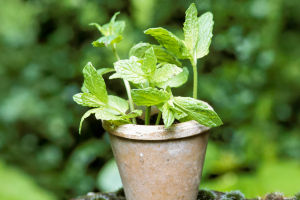
Violets are one of the most beloved houseplants, admired for their delicate flowers and vibrant colors.
Whether you're a seasoned plant enthusiast or a beginner, growing these charming blooms is easier than you might think. If you're ready to add a burst of color to your space, let's explore how to care for violets and help them flourish.
Understanding the Basics of Violet Care
Before diving into the specific needs of violets, it's important to know what makes them thrive. Violets, particularly the African violet, are compact, low-maintenance plants that need a bit of attention to grow well indoors. Here's what violets need to thrive:
Bright, Indirect Light: Violets love light, but not direct sunlight. Too much sun can scorch their delicate leaves, so placing them near a window with filtered light is ideal.
Well-Drained Soil: Violets don't like soggy roots, so make sure they're planted in a mix that drains well. A peat-based potting mix with added perlite or sand is a good choice.
Consistent Temperature: Violets prefer temperatures between 65°F and 75°F (18°C to 24°C). Keep them away from drafts or heat sources like radiators.
Tip: If your violets' leaves begin to look wilted or yellow, they might be getting too much direct sunlight or overwatered.
Watering Violets the Right Way
Watering is one of the most common challenges for violet care. Too much water can cause root rot, while too little can lead to wilted leaves. Here's how to find the perfect balance.
Water from the Bottom: The best way to water violets is from the bottom. Place your container in a shallow dish filled with water and let the plant soak it up for 15–20 minutes. This method prevents the leaves from getting wet, which can cause spots and decay.
Keep Soil Slightly Moist: Aim to keep the soil just barely moist, not soaking wet. Check the top inch of soil for dryness before watering again.
Use Room-Temperature Water: Cold water can shock the plant, and hot water can burn it. Use lukewarm water for the best results.
Tip: If you're unsure whether your violet needs water, it's better to wait a bit longer than to overwater. Always check the soil first.
Fertilizing for Healthier Violets
Fertilizing violets is essential for promoting healthy growth and vibrant flowers. However, over-fertilizing can cause damage, so it's important to get the right amount.
Use a Balanced Fertilizer: Opt for a fertilizer specifically designed for violets or a balanced houseplant fertilizer with equal parts nitrogen, phosphorus, and potassium.
Fertilize Regularly: Feed your violets every 4–6 weeks during the growing season (spring to fall). In winter, reduce feeding as the plant's growth slows down.
Avoid Fertilizing New Plants: Don't fertilize newly purchased violets right away. Let them settle into their new environment for at least a month before adding nutrients.
Tip: For extra care, use a diluted, liquid fertilizer to prevent over-fertilizing.
Repotting Violets: When and How
Repotting violets is necessary every 6–12 months to refresh the soil and provide more space for growth. However, it's essential to do this carefully to avoid harming the plant.
Choose the Right Container: Select a container that's only 1-2 inches larger in diameter than the current one. Violets prefer being slightly root-bound.
Handle the Roots Gently: When removing your violet from its container, be gentle with the roots. Trim away any dead or rotten roots and replace them with fresh potting mix.
Avoid Overwatering After Repotting: After repotting, wait a few days before watering to let the plant adjust to its new home.
Tip: Repot your violets in the early spring, just before they start their growing season, for the best results.
Common Problems and How to Solve Them
Even the healthiest violets can run into a few issues. Here are some common problems and solutions:
Yellow Leaves: This could be a sign of overwatering, too much direct sunlight, or nutrient deficiencies. Check for these issues and adjust care accordingly.
Leggy Growth: If your violets are becoming leggy (long and thin stems), it's usually due to insufficient light. Move them to a brighter spot.
Leaf Spots: Brown or yellow spots on leaves are often caused by water on the leaves or exposure to cold drafts. Keep the leaves dry and avoid placing them in drafty areas.
Tip: Regularly remove dead or yellowing leaves to keep your violet healthy and encourage new growth.
Enjoying Your Violets Year-Round
Once you've mastered the basics of violet care, you can enjoy their colorful blooms year-round. Regular pruning and consistent care will keep them in top shape. Violets are also great for gifting, as they're easy to propagate.
To propagate, simply snip a healthy leaf with a bit of stem and place it in a glass of water until roots form. Then, plant it in soil to start a new plant!
Violets are a rewarding plant to care for, offering beauty and color to your home with relatively minimal effort. By following these tips, you'll create the perfect environment for your violets to grow and thrive. So go ahead—start nurturing your violets today and watch them bloom!