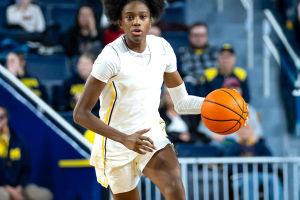
When kids lace up their sneakers and step onto the basketball court, they're not just getting ready to make a shot—they're stepping into an environment that will influence their development in ways beyond just athletic skills.
Basketball offers much more than physical fitness; it can be a catalyst for growth in critical areas of life such as teamwork, discipline, and mental resilience. Let's dive into the different ways the sport contributes to the development of young people.
The Role of Teamwork in Youth Development
Basketball is fundamentally a team sport, which means players learn how to work together toward a common goal. Unlike individual sports, where success depends on one's own performance, basketball emphasizes collaboration. Whether it's passing the ball, setting picks, or communicating on defense, teamwork is key.
For young players, learning how to share the spotlight is a vital life skill. It teaches them to value cooperation over individual accolades, helping them navigate social environments like school, work, and future personal relationships. This collaborative mindset can be a powerful tool as they grow older.
Example: A teenager who learns how to pass the ball instead of always taking the shot might find that, in group projects at school, they're more open to listening to others' ideas and delegating tasks. This carries over into adulthood, where teamwork is a crucial component of any career.
Building Discipline and Focus
The structure and routine that basketball requires can teach youth discipline. Regular practice schedules, maintaining a specific level of fitness, and adhering to game strategies all instill habits of commitment and responsibility. Players quickly learn that success on the court doesn't come overnight; it's earned through hours of hard work.
Basketball also demands focus, particularly in the middle of a fast-paced game. Players need to stay mentally sharp, constantly adjusting their position, watching the ball, and keeping an eye on their opponents. This level of focus has practical benefits beyond the court. It teaches young people how to concentrate on tasks at hand, be it in school, work, or personal goals.
Example: A young player who's practiced balancing schoolwork and basketball might become better at managing time as they grow, excelling in both academics and other extracurricular activities.
Physical Fitness and Health Benefits
Dr. Thomas Best, MD, of the American College of Sports Medicine (ACSM) and an orthopedic sports medicine specialist, explains that sports like basketball require repeated sprinting, jumping, rapid direction changes, and hand-eye coordination. These demands contribute to cardiovascular fitness, muscular strength, coordination, agility, and flexibility, particularly in children and adolescents whose bodies are still developing.
For young people, developing a love for physical activity early on can lead to lifelong healthy habits. Basketball can be an entry point into other sports and physical pursuits, creating a foundation for an active lifestyle. It's also a fun way to get kids away from screens and engage in something that promotes mental and physical well-being.
Example: A child who regularly plays basketball is more likely to stay active throughout their life, whether they continue to play in college or simply maintain a routine of fitness and well-being as they age.
Developing Resilience and Mental Toughness
Basketball, like any sport, can be challenging. Not every game will be a victory, and not every shot will land. Youth who play basketball must face setbacks: missed shots, losing streaks, and times when they don't perform as well as they'd hoped. But the true value of the sport lies in learning how to handle these challenges.
The mental toughness required to get back up after a missed shot or a tough loss is something that stays with players beyond the court. Resilience is key in life—whether in school, work, or personal relationships. Young players learn that failure isn't permanent, and perseverance leads to growth.
Example: A player who bounces back after a tough game might find that this resilience translates into how they handle difficult situations later in life, from facing challenges in academics to overcoming setbacks in their career.
Social and Community Connections
Basketball is a community sport. It brings young people together, whether they're playing with friends at the local gym or competing in a school league. Through basketball, kids form bonds with teammates, coaches, and even rivals. This sense of belonging can provide social support that benefits mental and emotional well-being.
For many, basketball is also a way to connect with others from different backgrounds. The sport creates an environment where youth from diverse cultures and socioeconomic statuses can collaborate and compete, breaking down barriers and fostering a sense of unity.
Example: A teenager who's made lifelong friends through basketball might also carry the value of community engagement into adulthood, volunteering, participating in social causes, or even mentoring the next generation of players.
In the end, the impact of basketball on youth development extends far beyond improving jump shots or perfecting dribbling. It's about teaching life skills that empower young people to succeed in various aspects of their lives. Whether through building strong teamwork, learning resilience, or adopting healthy lifestyles, basketball plays a significant role in shaping future generations. For any young person, getting involved in basketball isn't just about playing a sport—it's about preparing for life.